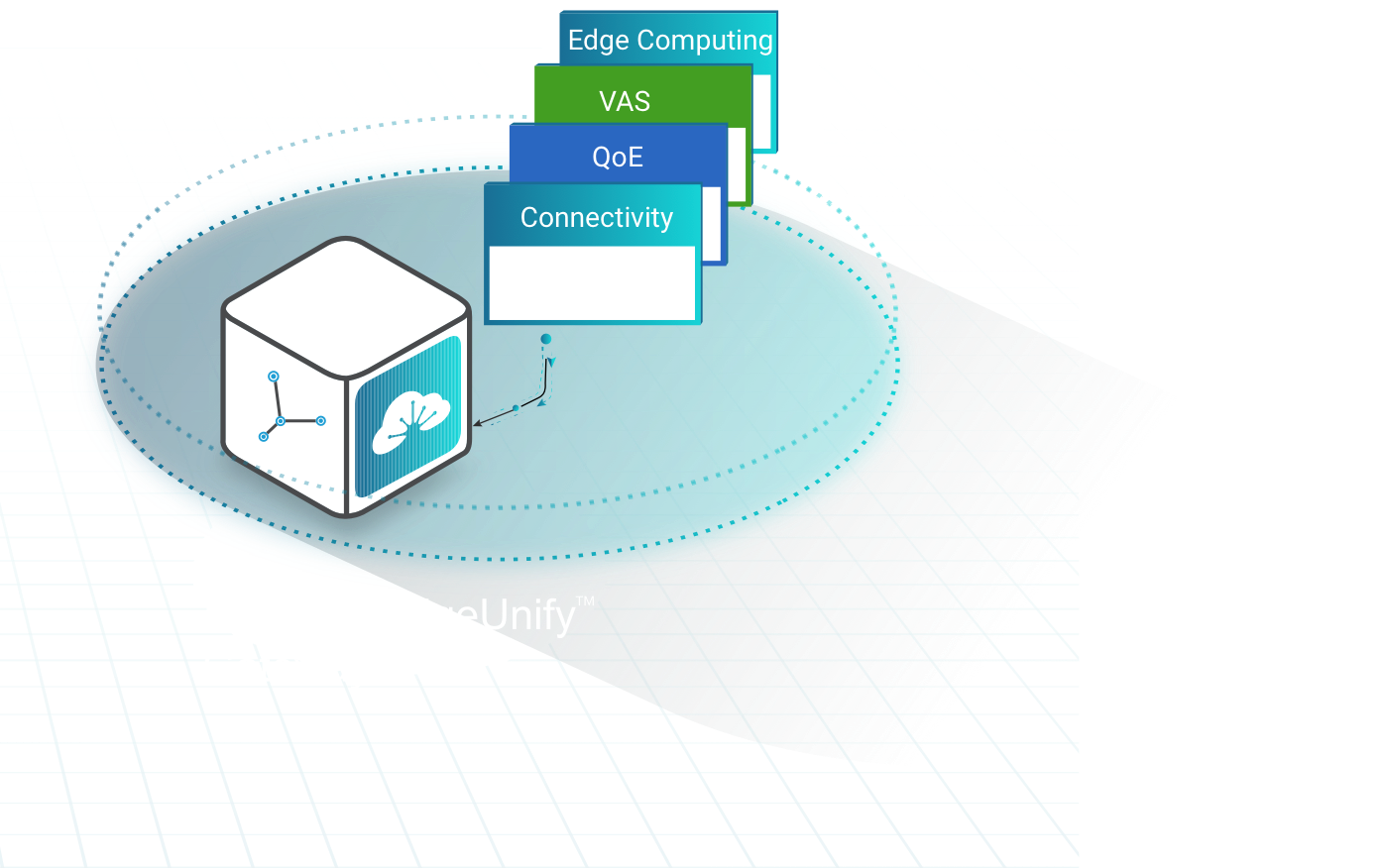
Leveraging business service edge computing
Enabling swift decisions and data processing at the source. This article explores practical applications and operational advantages of business service edge computing.

Modern businesses demand immediate insights and operational agility. Centralized cloud models, while powerful, often face limitations related to latency, bandwidth, and data sovereignty when interacting with devices and sensors at the far edge of the network. This is where business service edge computing provides a compelling alternative, bringing computation and data storage closer to the source of data generation. It’s not merely a technological shift; it represents a fundamental rethinking of how services are delivered and consumed in a distributed digital economy. From my experience, this approach directly addresses critical needs for faster response times and more efficient data handling in a variety of industries.
Key Takeaways
- Business service edge computing places processing power and data storage closer to end-users and devices.
- It significantly reduces latency, enabling real-time decision-making for critical business operations.
- Edge deployments optimize bandwidth usage by processing data locally, sending only aggregated results to the cloud.
- Data privacy and regulatory compliance, especially in regions like the US, are often better managed through local data handling.
- Operational resilience improves as edge nodes can function autonomously even with intermittent cloud connectivity.
- This architecture supports the proliferation of IoT devices and data-intensive applications like AI at the edge.
- Security must be a core consideration, implemented from the ground up across all distributed components.
Understanding business service edge computing in Practice
Business service edge computing involves distributing compute and storage resources to the network edge, closer to the data sources. This could mean placing mini data centers in factory floors, retail stores, or remote oil rigs. The core idea is to reduce the physical distance data must travel between its origin and the processing unit. For instance, in a manufacturing plant, sensor data from assembly lines can be processed immediately on-site. This allows for instant anomaly detection or predictive maintenance triggers, averting costly downtime without waiting for round-trip communication to a central cloud.
My teams have implemented solutions where this localized processing drastically cuts response times. Imagine autonomous vehicles or smart city infrastructure; milliseconds matter. A vehicle’s sensors cannot afford to send data to a remote cloud and wait for an instruction before braking. The processing must occur virtually instantaneously at the edge itself. This real-time capability is perhaps the most impactful benefit, directly influencing safety, efficiency, and customer experience across various sectors.
Operational Benefits of business service edge computing Deployments
The operational advantages derived from adopting business service edge computing are tangible and impactful. Firstly, latency reduction is paramount. Applications requiring immediate feedback, such as augmented reality in field service or high-frequency trading, simply function better when data processing happens near the point of action. Second, bandwidth costs decrease. Instead of streaming raw video feeds or massive sensor datasets to a central cloud, only filtered, pre-processed, or aggregated information is transmitted. This reduces network strain and associated expenditures.
Moreover, operational resilience sees a significant boost. Edge nodes can continue functioning even if connectivity to the central cloud is temporarily interrupted. This autonomy is crucial for critical infrastructure, such as utilities or healthcare facilities, where continuous operation is non-negotiable. Data sovereignty and privacy also improve, as sensitive information can be processed and stored locally, helping meet stringent regulatory requirements within specific geographic boundaries, for example, across different states in the US.
Security and Compliance in Edge Environments
Implementing distributed systems like those found in edge computing inherently introduces new security vectors that demand meticulous attention. Unlike a centralized data center with well-defined perimeters, edge environments are often geographically dispersed and can be physically vulnerable. This means traditional perimeter security models are insufficient. Organizations must adopt a zero-trust architecture, where every device and user, whether inside or outside the network, must be authenticated and authorized.
Data encryption, both in transit and at rest, is non-negotiable for edge devices. Regular patch management and robust access controls are equally critical. Compliance frameworks, such as HIPAA for healthcare or PCI DSS for retail payments, extend to edge deployments, requiring careful planning for data residency and privacy. Failure to properly secure these distributed points can lead to severe data breaches and operational disruptions, undermining the very benefits of edge adoption.
Real-World Scenarios for business service edge computing Adoption
The applicability of business service edge computing spans numerous industries. In manufacturing, it powers predictive maintenance, quality control through real-time vision systems, and robotic automation. Sensors on machinery feed data to local edge servers, identifying potential failures before they occur, thus minimizing unplanned downtime. Retail benefits from real-time inventory management, personalized customer experiences via in-store analytics, and fraud detection at the point of sale. This immediate processing capability allows stores to react dynamically to customer behavior and operational needs.
Logistics and transportation leverage edge computing