Health

Anxiety Relief New Alternative Treatments

Mindfulness and Meditation Techniques for Anxiety Reduction

Mindfulness practices, such as meditation and deep breathing exercises, have gained significant traction as effective tools for anxiety relief. These techniques work by anchoring you in the present moment, reducing the power of racing thoughts and worries about the future or regrets about the past. Regular mindfulness meditation, even for short periods, can help calm the nervous system, lower heart rate, and reduce the physiological symptoms associated with anxiety. There are various guided meditation apps and resources available to help beginners learn these techniques and find what works best for them. It’s often recommended to start with short sessions and gradually increase the duration as you become more comfortable.

Exploring the Benefits of Nature and Outdoor Activities

Spending time in nature has been shown to have a profoundly calming effect on the mind and body. Studies have linked exposure to natural environments with reduced levels of cortisol, the stress hormone. Activities like hiking, gardening, or simply sitting in a park can offer a much-needed escape from the pressures of daily life. The sights, sounds, and smells of nature can be incredibly therapeutic, promoting relaxation and a sense of peace. Even brief exposure to greenery can make a noticeable difference in mood and anxiety levels. Consider incorporating regular nature walks or outdoor activities into your routine as a natural way to manage anxiety.

The Role of Physical Exercise in Anxiety Management

Physical exercise isn’t just good for the body; it’s also incredibly beneficial for mental health. Regular physical activity releases endorphins, which have mood-boosting effects and can help alleviate anxiety symptoms. The type of exercise doesn’t have to be strenuous; even moderate activities like brisk walking, swimming, or cycling can make a difference. The key is to find an activity you enjoy and can stick with consistently. Exercise not only helps manage anxiety in the moment but can also improve sleep quality, reduce stress, and boost overall well-being, contributing to long-term anxiety reduction.

Harnessing the Power of Art Therapy for Anxiety Relief

Art therapy provides a non-verbal way to express emotions and process difficult feelings, making it a particularly helpful approach for individuals who struggle to articulate their anxieties. Whether it’s painting, sculpting, drawing, or any other creative pursuit, art therapy allows for self-expression and emotional release. The process of creating art can be meditative and calming, helping individuals to focus on the present moment and reduce the intensity of anxious thoughts. Art therapists provide a supportive environment where individuals can explore their emotions and develop coping mechanisms through creative expression.

Exploring the Potential of Neurofeedback Therapy

Neurofeedback, also known as EEG biofeedback, is a type of therapy that uses real-time feedback to help individuals learn to regulate their brainwave activity. By providing visual or auditory feedback related to brainwave patterns, neurofeedback helps individuals become more aware of their brain’s response to stress and anxiety. Through practice, they learn to self-regulate their brainwave patterns, leading to improved anxiety management and reduced symptoms. While still relatively new, neurofeedback shows promise as a non-pharmaceutical approach for treating anxiety disorders.

The Emerging Field of Virtual Reality Therapy for Anxiety

Virtual reality (VR) therapy offers a unique and innovative approach to anxiety treatment. VR technology can create immersive and controlled environments that simulate real-life anxiety-provoking situations, allowing individuals to practice coping mechanisms in a safe and supportive setting. For example, individuals with social anxiety can practice interacting with virtual people in a virtual social scenario. This gradual exposure can help desensitize them to their fears and build confidence. VR therapy is a promising tool for treating various anxiety disorders and phobias, offering a personalized and engaging therapeutic experience.

Nutritional Strategies for Supporting Mental Wellness and Anxiety Reduction

Diet plays a significant role in overall well-being and can influence anxiety levels. A balanced diet rich in fruits, vegetables, whole grains, and lean protein provides the essential nutrients needed for optimal brain function. Limiting processed foods, excessive caffeine, and alcohol, which can exacerbate anxiety symptoms, is crucial. Consider incorporating foods rich in omega-3 fatty acids, magnesium, and vitamin B, which are known to support mental health. A healthy diet can contribute to improved mood, reduced stress, and better management of anxiety symptoms.

The Importance of Social Connection and Support Systems

Strong social connections and supportive relationships are vital for mental well-being and managing anxiety. Talking to trusted friends, family members, or a therapist can provide emotional support and help individuals feel less alone in their struggles. Joining support groups or engaging in activities that foster social interaction can also be beneficial. Feeling connected to others and having a sense of belonging can significantly reduce feelings of isolation and anxiety, promoting overall mental health. Read more about alternative medicine for anxiety.

Animal Rescue

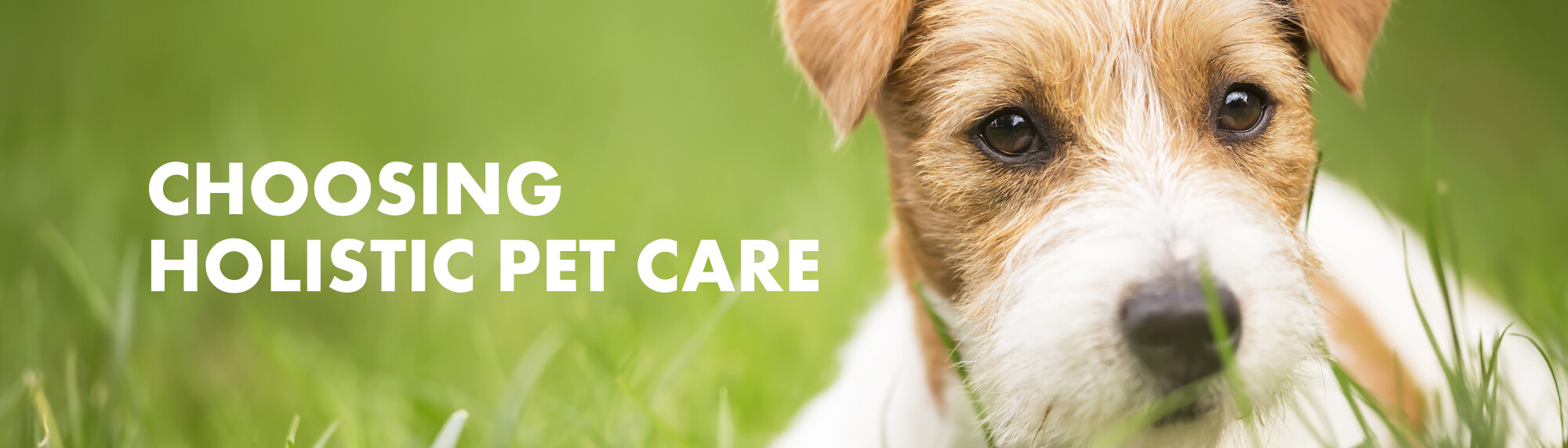
Holistic Pet Care: Nurturing Your Companion’s Well-Being

Holistic Pet Care: Nurturing Your Companion’s Well-Being

Holistic Pet Care: Nurturing Your Companion’s Well-Being

Understanding Holistic Pet Care

Holistic pet care encompasses a comprehensive approach to your furry friend’s well-being. It goes beyond just addressing physical ailments and focuses on nurturing their overall health—physically, mentally, and emotionally. This approach considers the interconnectedness of various aspects of a pet’s life, emphasizing prevention and wellness rather than merely treating illnesses.

Nutritional Excellence for Pets

One key element of holistic pet care is providing a well-balanced and nutritious diet. Quality nutrition is fundamental to a pet’s health, impacting their energy levels, coat condition, and immune system. Consult with a veterinarian to determine the best dietary plan for your pet’s specific needs. Consider incorporating natural and organic foods to enhance their overall nutritional intake.

Emotional Well-Being: A Vital Component

Pets, like humans, experience a range of emotions. Addressing their emotional well-being is crucial for holistic care. Spend quality time with your pet, engage in interactive play, and provide a stimulating environment. Understanding your pet’s behavior and responding to their emotional needs fosters a strong bond and contributes to their overall happiness.

Holistic Veterinary Care

Choosing a veterinarian who embraces a holistic approach is paramount. These professionals consider alternative therapies, such as acupuncture, chiropractic care, and herbal medicine, alongside traditional veterinary practices. Regular check-ups, preventive care, and open communication with your veterinarian play key roles in maintaining your pet’s health from a holistic perspective.

Natural Remedies and Supplements

Holistic pet care often incorporates natural remedies and supplements to address various health concerns. From herbal supplements to essential oils, these alternatives can complement traditional treatments. However, it’s essential to consult with your veterinarian before introducing any new supplements to ensure they align with your pet’s specific health needs.

Holistic Grooming Practices

Grooming is not just about keeping your pet clean; it’s an integral part of holistic care. Regular grooming helps maintain healthy skin and coat, prevents infections, and allows for early detection of any abnormalities. Use natural grooming products, and be attentive to your pet’s reactions during grooming sessions, ensuring a positive and stress-free experience.

Physical Activity and Exercise

Promoting physical activity is a key aspect of holistic pet care. Regular exercise is essential for maintaining a healthy weight, preventing obesity-related issues, and ensuring your pet stays mentally stimulated. Tailor activities to your pet’s breed, age, and individual preferences, ensuring a well-rounded exercise routine that caters to their unique needs.

Holistic Pet Care for Long-Term Wellness

Investing in holistic pet care is an investment in your companion’s long-term wellness. By addressing their physical, emotional, and mental needs, you contribute to a happier and healthier life for your pet. Remember that every pet is unique, and a holistic approach allows you to tailor their care to individual requirements, promoting a balanced and fulfilling existence.

Incorporating Holistic Practices: A Practical Approach

To seamlessly integrate holistic pet care into your routine, explore resources and guidance available at HolisticPetCareGuide.org. This website offers valuable insights, tips, and recommendations to help you navigate the world of holistic pet care. Visit HolisticPetCareGuide.org to enhance your understanding and implementation of holistic practices for your beloved pet.