Achieve optimal garden privacy with Sichtschutz Garten modern installations. Learn about materials, styles, and DIY tips for a stylish outdoor retreat.
Installing effective garden privacy is more than just blocking views. It creates a secluded sanctuary, a space where you truly feel comfortable. From years of advising clients and working on my own garden projects, I’ve seen firsthand the difference a well-chosen privacy screen makes. It’s not simply about putting up a barrier; it’s about integrating a functional element that enhances your garden’s aesthetic and your personal well-being. A thoughtfully designed Sichtschutz Garten modern can redefine your outdoor living experience, offering peace and quiet from neighbors or passersby.
Key Takeaways
- Modern privacy screens offer both aesthetic appeal and practical seclusion for your garden.
- Selecting the right material (wood, composite, metal, natural) is crucial for durability and style.
- Proper planning, including local regulations and site preparation, ensures a successful installation.
- Various modern styles, from slatted designs to gabion walls, cater to diverse garden aesthetics.
- DIY installation is achievable with basic tools and careful measurement, saving costs.
- Regular maintenance, tailored to the material, extends the life and look of your privacy screen.
- Even in crowded urban settings, a modern privacy screen can create a serene outdoor retreat.
Choosing Your Sichtschutz Garten modern
When selecting a modern privacy screen, material choice is paramount. It influences both the appearance and the longevity of your installation. From my experience, wood remains a popular option, offering natural warmth and versatility. Cedar and redwood are excellent choices, known for their resistance to rot and insects. However, they require regular sealing or staining to maintain their look and integrity over time. Pressure-treated pine is a more budget-friendly wood option, though less aesthetically refined without further treatment.
Composite materials provide a low-maintenance alternative. These typically blend wood fibers with recycled plastic. They resist fading, warping, and pests, making them a durable choice for many homeowners. While the initial cost can be higher than wood, the long-term savings on maintenance often make them worthwhile. Metal screens, such as aluminum or corten steel, offer a distinctly contemporary look. Aluminum is lightweight and rust-resistant, often powder-coated for color. Corten steel develops a beautiful, stable rust-like patina over time, adding an industrial-chic touch. These materials suit minimalist or industrial garden designs particularly well.
Natural screens, like bamboo panels or dense evergreen hedges, also provide excellent privacy. Bamboo offers a quick, exotic feel, but needs proper installation to prevent spread if living. Hedges, while requiring patience to grow, deliver a soft, living boundary that supports local wildlife. We’ve installed many mixed-material screens, combining, for example, a metal frame with composite slats, for a unique and custom Sichtschutz Garten modern. Always consider your climate and how much upkeep you are willing to commit.
Installation Techniques for a Sichtschutz Garten modern
Proper installation is fundamental for the stability and longevity of any privacy screen. Before digging, always check local building codes and property lines. In the US, regulations vary significantly by state and municipality regarding fence height and proximity to property boundaries. A simple call to your local planning department can save a lot of hassle. Once clear, proper site preparation begins. This involves marking the fence line, ensuring it’s level, and clearing any obstacles. For most screens, setting posts securely is the critical first step.
Digging post holes to the correct depth is crucial. A general rule is to dig one-third of the post length plus 6 inches for gravel drainage. For example, an 8-foot post would require a 38-inch deep hole. We typically use concrete to anchor posts firmly, ensuring they are plumb and spaced correctly before the concrete cures. This precision prevents leaning or sagging later. For panel-based systems, precise measurements between posts are vital to ensure the panels fit without forcing.
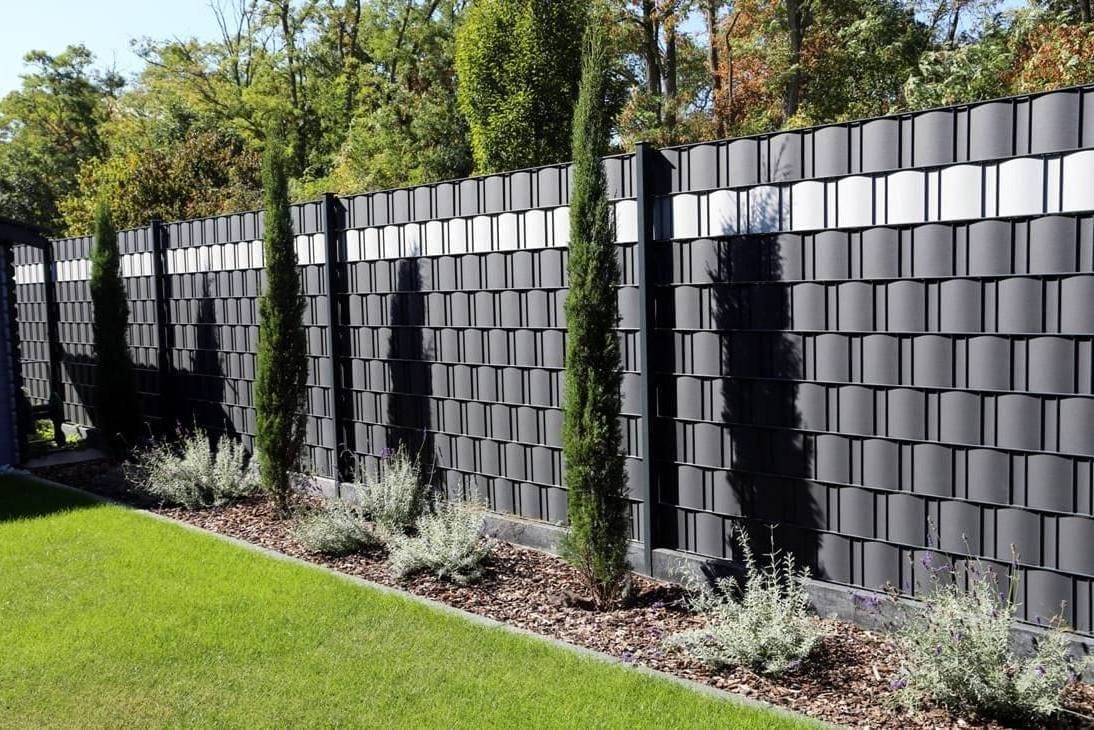
Many modern screens utilize modular panels or slat systems that attach to posts. These designs simplify the installation process considerably. For a slatted Sichtschutz Garten modern, individual slats can be screwed directly to horizontal rails, allowing for adjustable spacing to control visibility and airflow. If working with heavier materials like gabion baskets filled with stone, a robust foundation is non-negotiable. Always use high-quality, weather-resistant fasteners appropriate for your chosen material. Working with a partner makes lifting and aligning panels much easier and safer, particularly for taller screens.
Beyond Traditional Fences: Modern Privacy Options
While fences are a classic choice, modern privacy options extend far beyond simple picket or solid panel designs. Contemporary garden design often calls for screening solutions that are not only functional but also sculptural and integrated. Living walls, for instance, offer a fantastic way to create a lush, green privacy barrier. These vertical gardens can be constructed with modular panels that hold various plants, providing both privacy and a burst of biodiversity. They require an irrigation system and careful plant selection, but the visual impact is undeniably stunning.
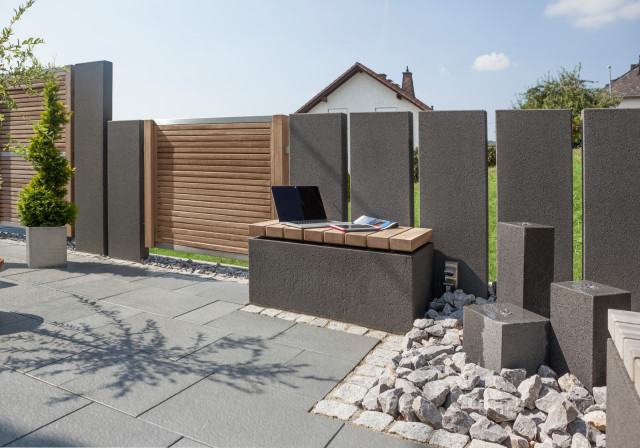
Another innovative approach involves gabion walls. These are wire cages filled with natural materials like stones, bricks, or even recycled glass. They offer excellent sound dampening in addition to privacy. Gabion walls have a rugged, earthy aesthetic that blends well with natural landscapes while providing a strong, permanent boundary. Screen panels made from laser-cut metal or patterned composite materials provide artistic flair. These designs can project interesting shadows, adding another dimension to your garden. They allow for some light and air penetration while still obscuring direct views.
For those seeking temporary or movable privacy, large planter boxes with tall grasses or bamboo offer flexibility. These can be rearranged as needed, perfect for changing sun patterns or seasonal shifts in garden use. The key is to think creatively about how privacy can be woven into your garden’s overall design, rather than just acting as a static barrier. Consider the play of light, shadow, and how different textures will interact within your outdoor space.
The Long-Term Appeal of Your Sichtschutz Garten modern
A well-installed privacy screen is an investment, and its longevity depends significantly on ongoing care. While a low-maintenance material like composite or metal reduces the frequency of tasks, nothing is entirely maintenance-free. For wooden screens, annual cleaning with a mild detergent and a soft brush helps remove dirt and mildew. Reapplying a sealant or stain every 2-3 years protects the wood from UV damage and moisture, preserving its color and preventing rot. We always recommend checking fasteners annually, especially after harsh weather.
Metal screens, particularly aluminum, benefit from occasional washing to remove grime and maintain their finish. Corten steel, while designed to rust, should be inspected for excessive rust buildup in areas that hold moisture. Proper drainage around the base of any screen helps prevent moisture damage and extends its life. Regularly clearing leaf litter or debris from the base can make a big difference, especially with ground-contact components.
Consider the surrounding landscape. Overgrown plants pressing against the screen can trap moisture, leading to issues. Trimming back foliage ensures proper air circulation. For living screens like hedges or living walls, regular pruning, watering, and feeding are essential for health and density. The objective is to keep your screen looking its best, functioning effectively, and providing that serene privacy for years to come. A little proactive care prevents larger problems down the line.